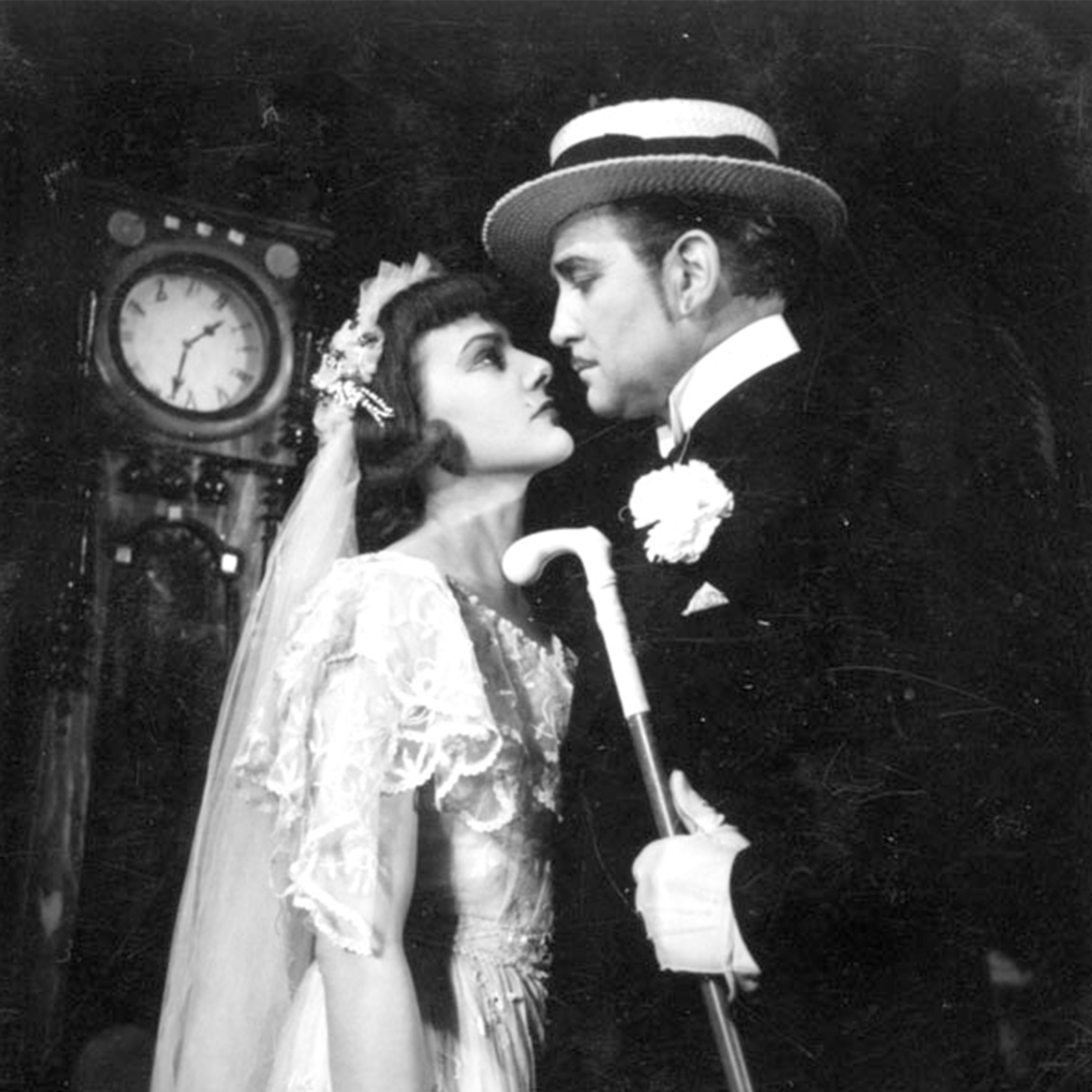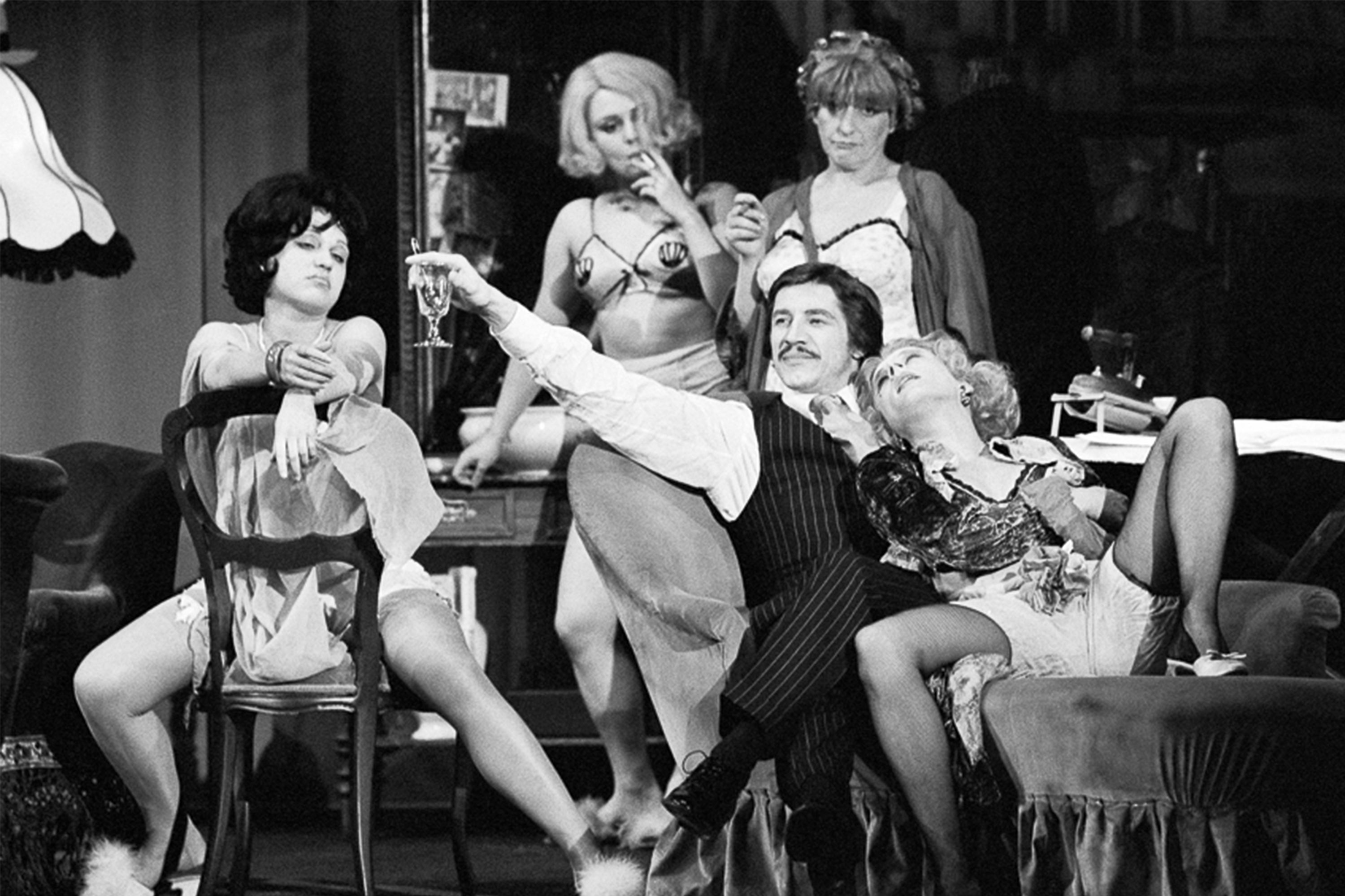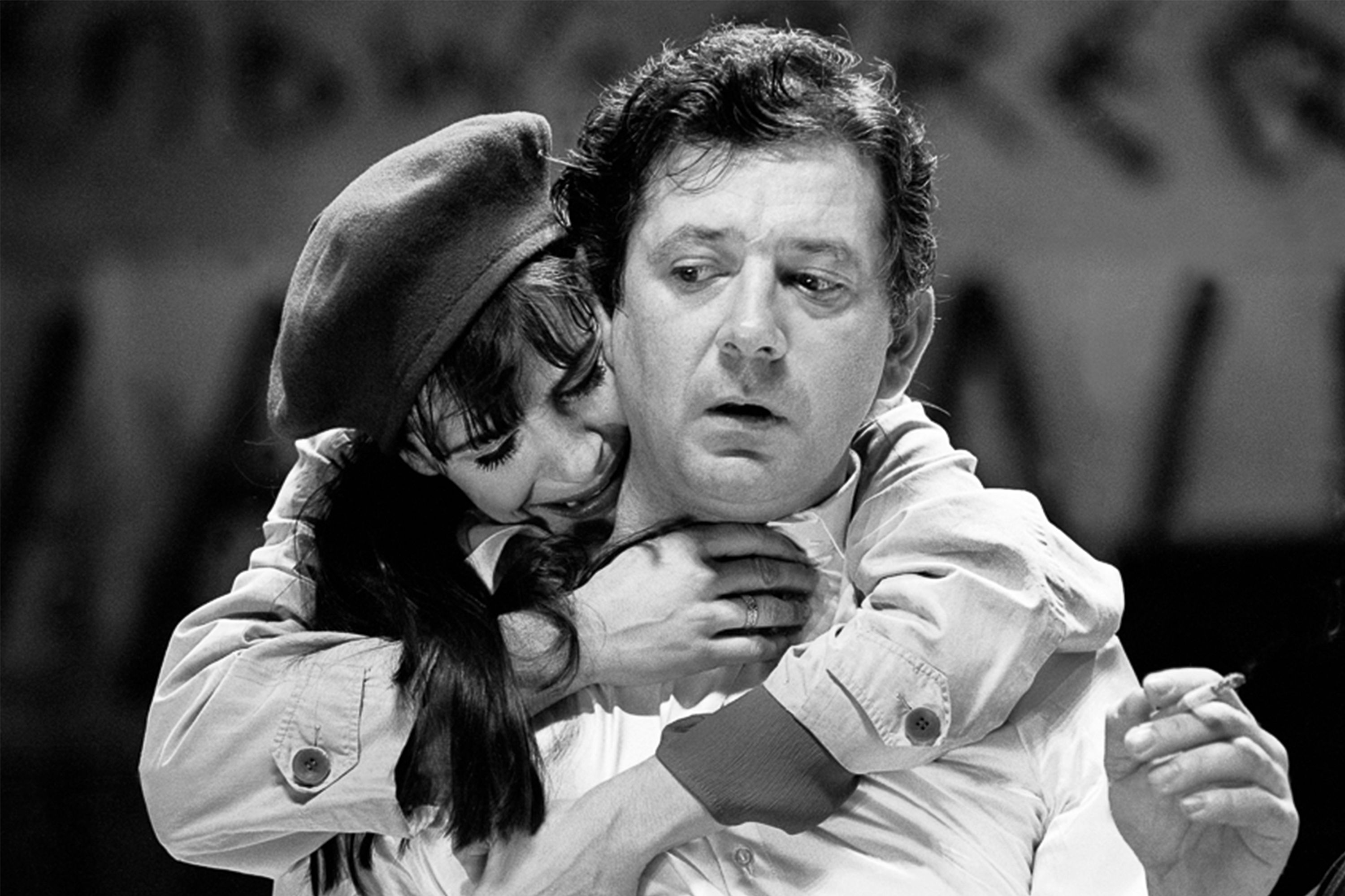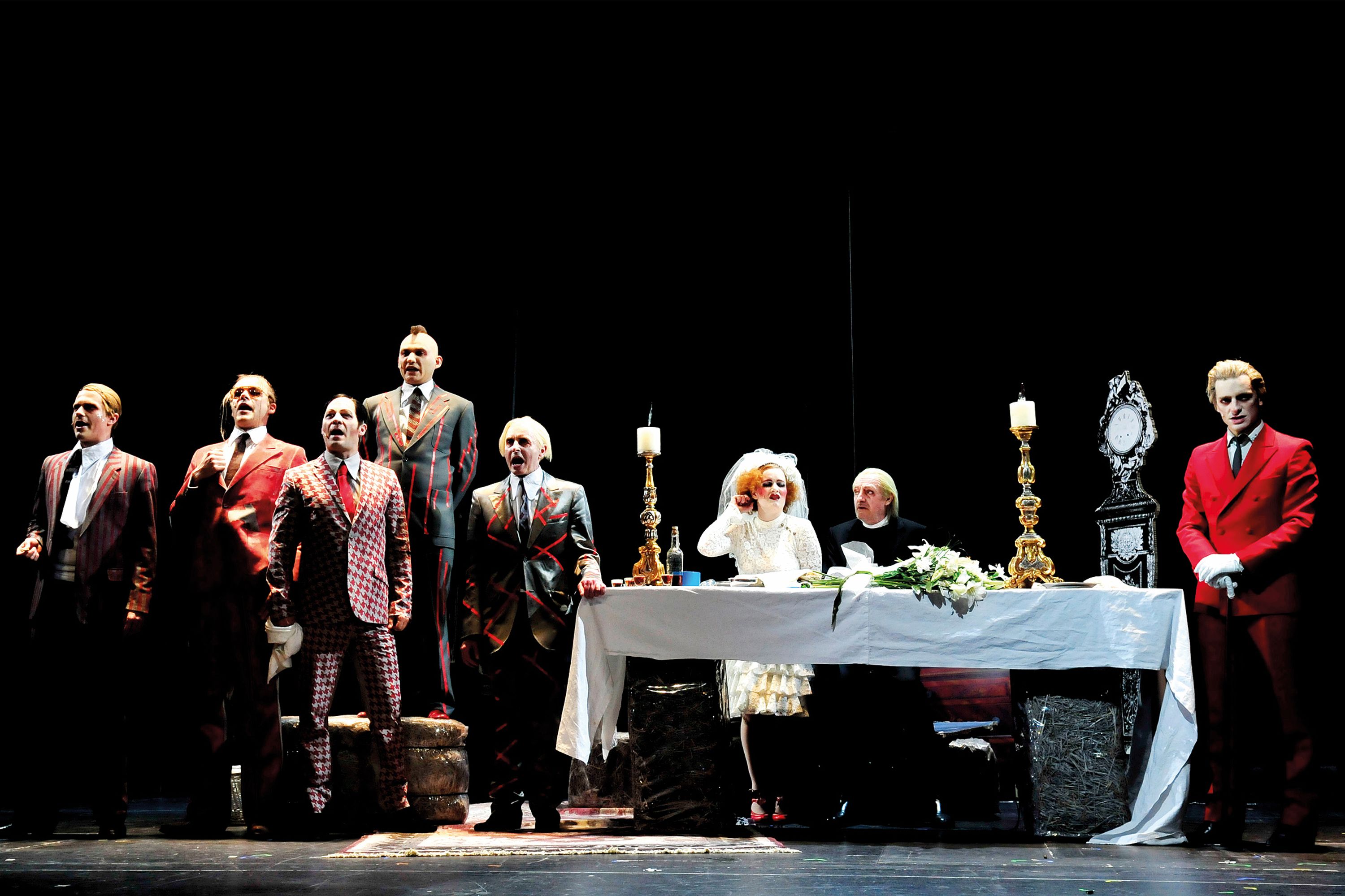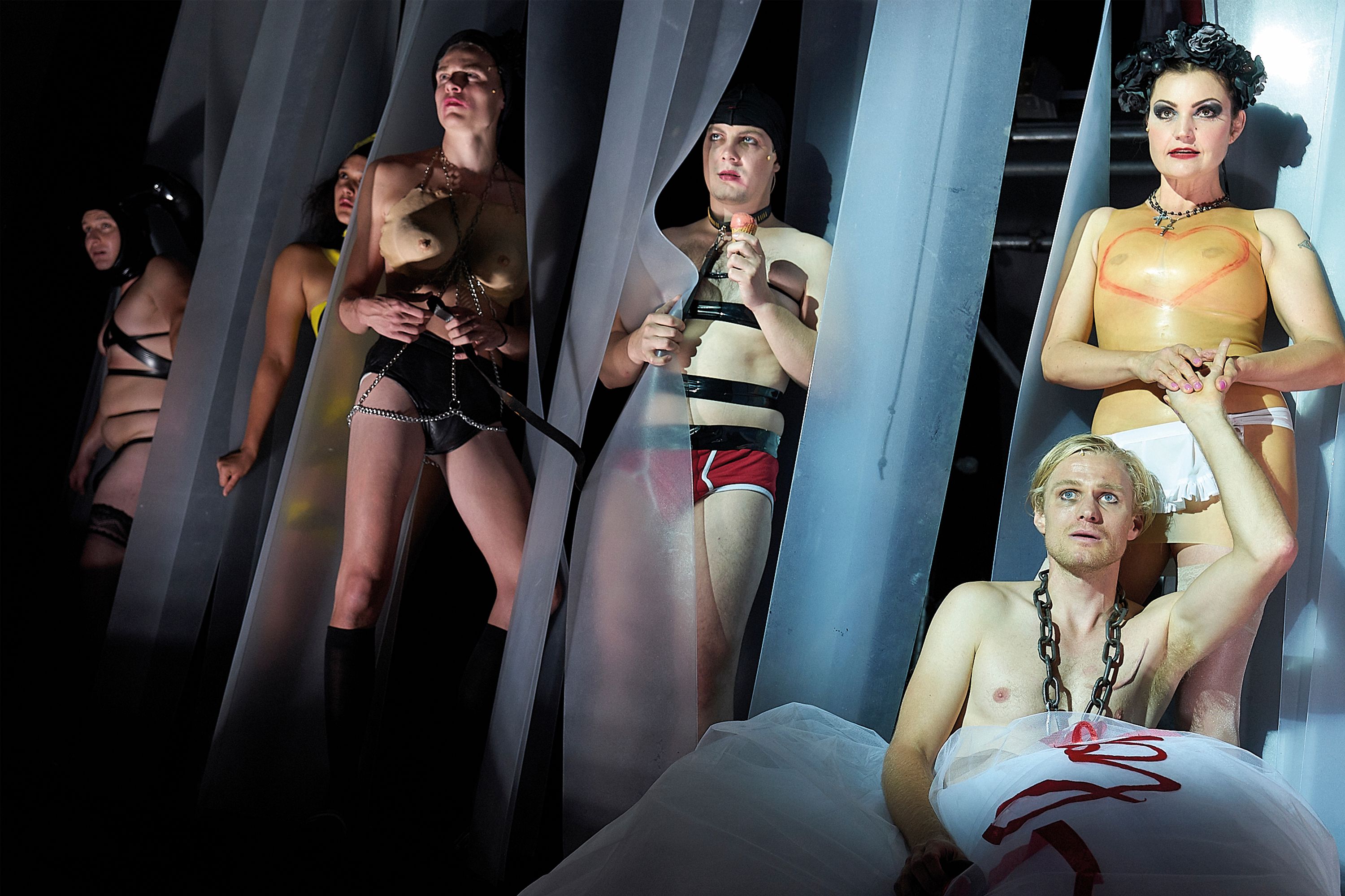


Photo Exhibition Marking the 100th Anniversary
PFAUEN FOYER
In 1926, Ferdinand Rieser had the Pfauen converted into Zurich’s first modern theatre for spoken drama. Since then, six productions of “The Threepenny Opera” by Bertolt Brecht in collaboration with Elisabeth Hauptmann, and with music by Kurt Weill, have been staged at this venue. One hundred years after this groundbreaking transformation, co-artistic director Pınar Karabulut opens the anniversary season with her own take on Brecht’s early hit play. She thereby pays
tribute to Bertolt Brecht’s significance for Schauspielhaus Zürich. Brecht’s major later works, including “Life of Galileo” and “The Good Person of Szechwan” (both 1943) and “Mr Puntila and His Man Matti” (1948), premiered at the Pfauen and left their mark on the history of this theatre. Brecht himself spent periods in exile in Zurich during the 1930s and 1940s. The exhibition “THE THREEPENNY OPERA” AT THE SCHAUSPIELHAUS ZÜRICH takes us on a journey through the decades, introducing us to the people who brought the Pfauen to life and the aesthetics that shaped their work.
“The Threepenny Opera” first appeared on the Pfauen stage in 1935, when the Czech avant-garde group D35 brought its acclaimed production to Zurich as part of a European tour. The performance was cut short amid fierce street protests by the far-right National Front, with safety concerns forcing an early end. There are no photographs of this production. Yet, it remains deeply embedded in the theatre’s collective memory and in its continuing anti-fascist tradition.