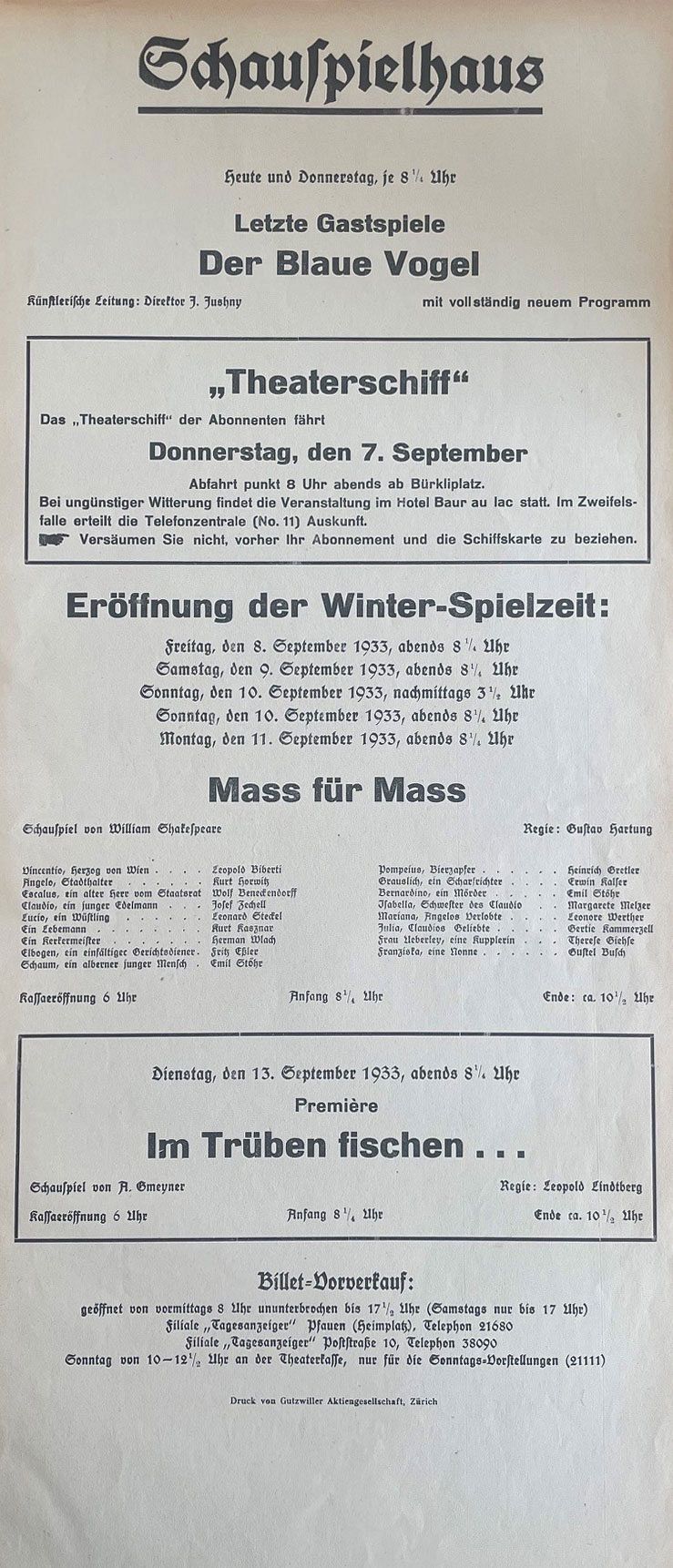
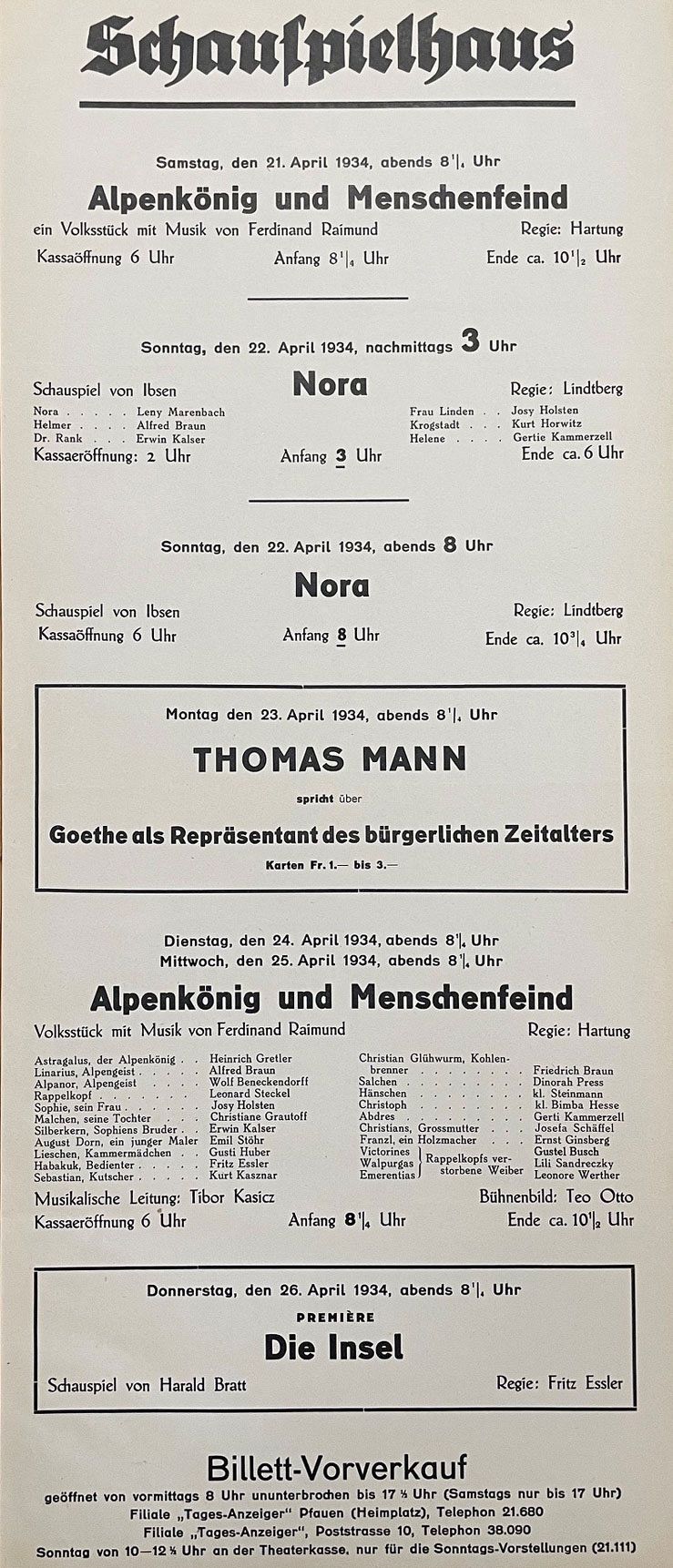
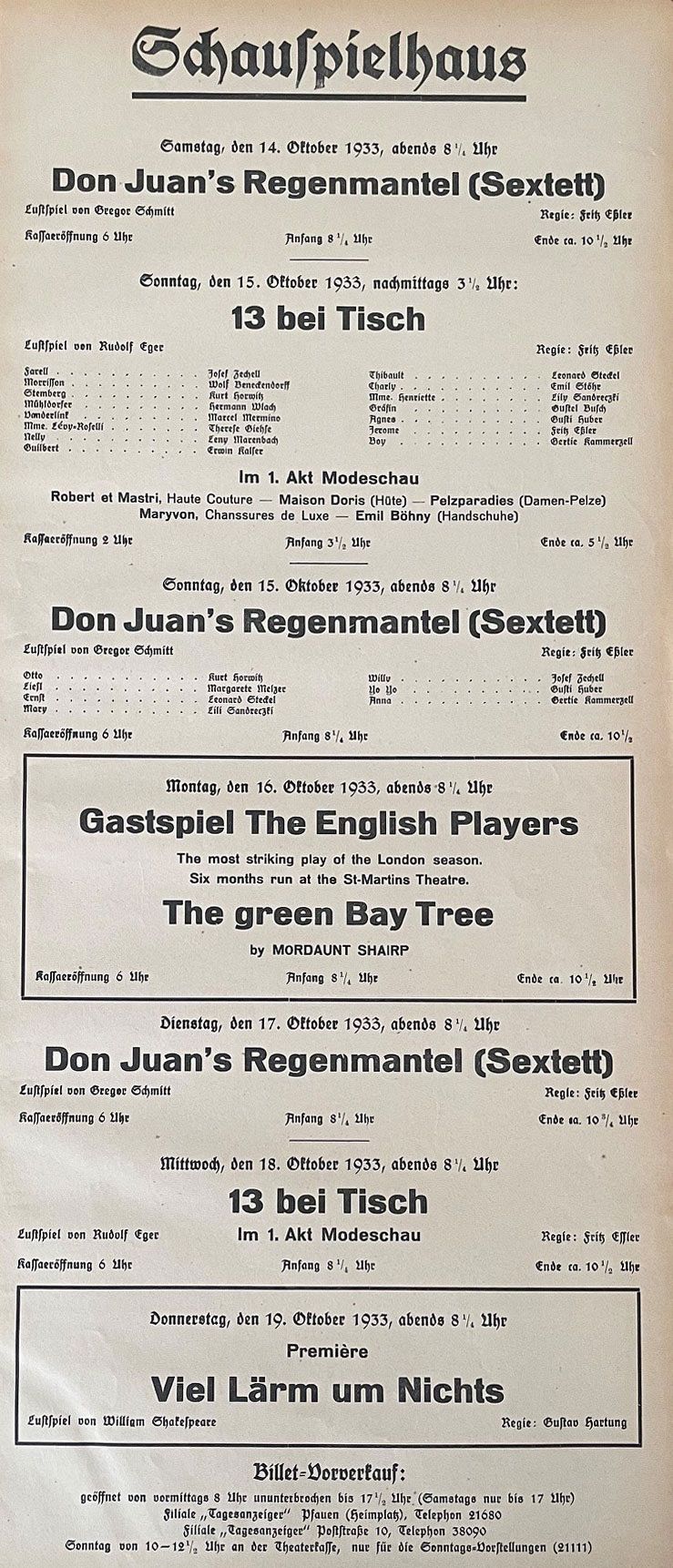
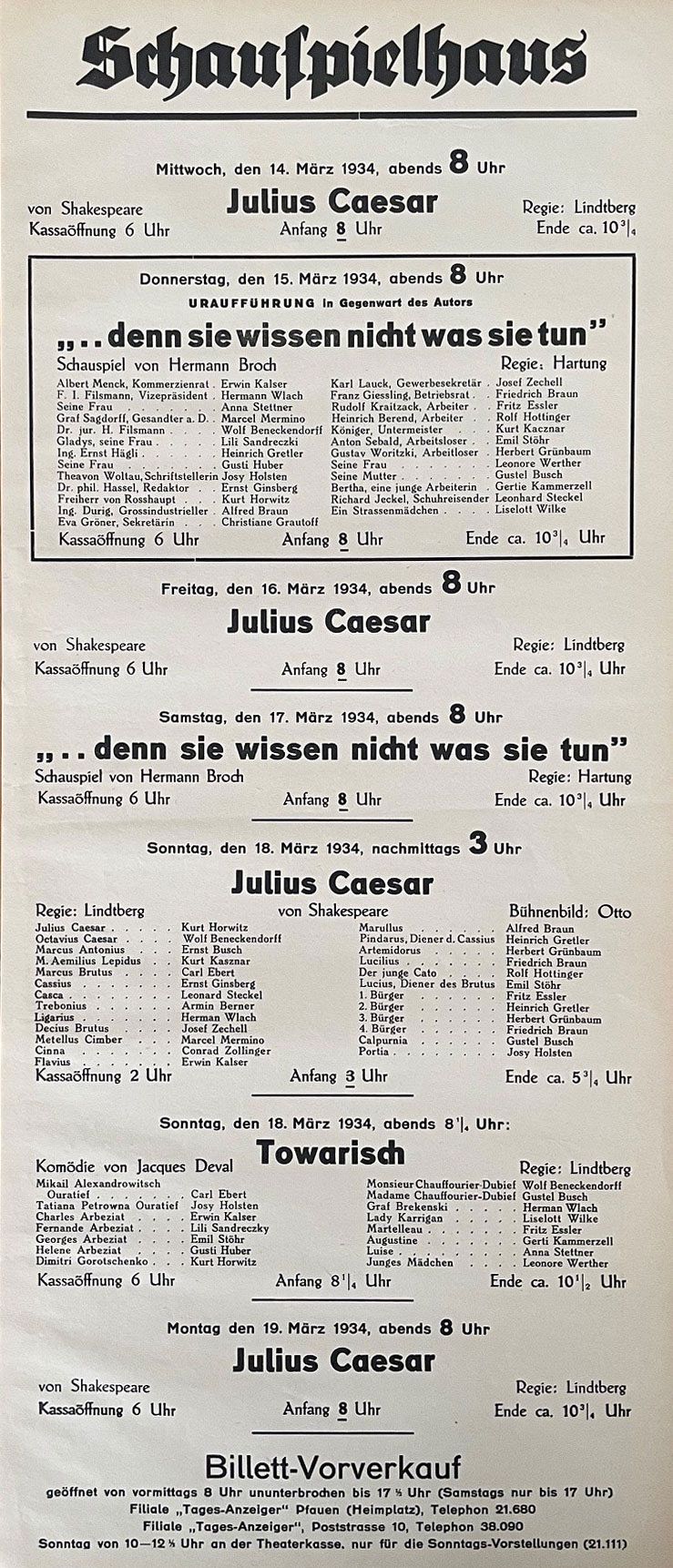
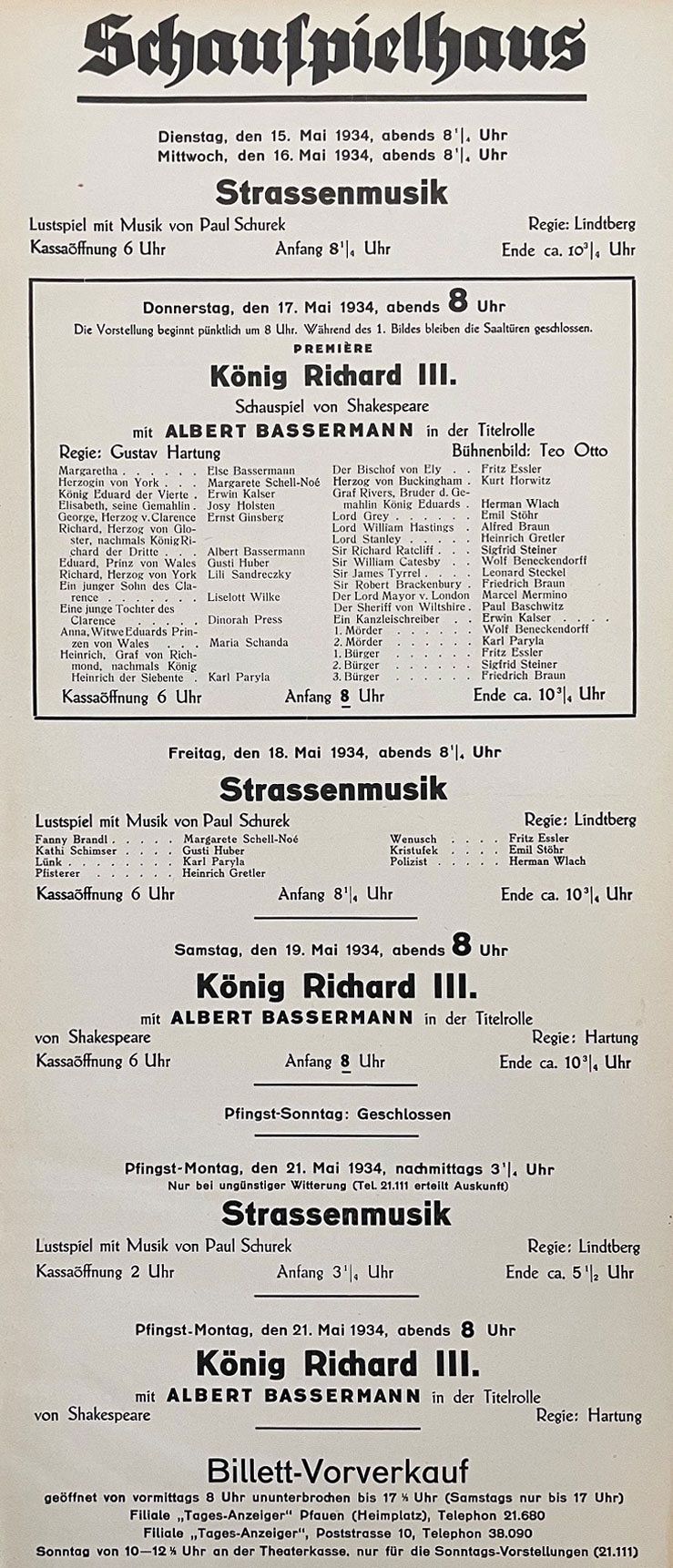
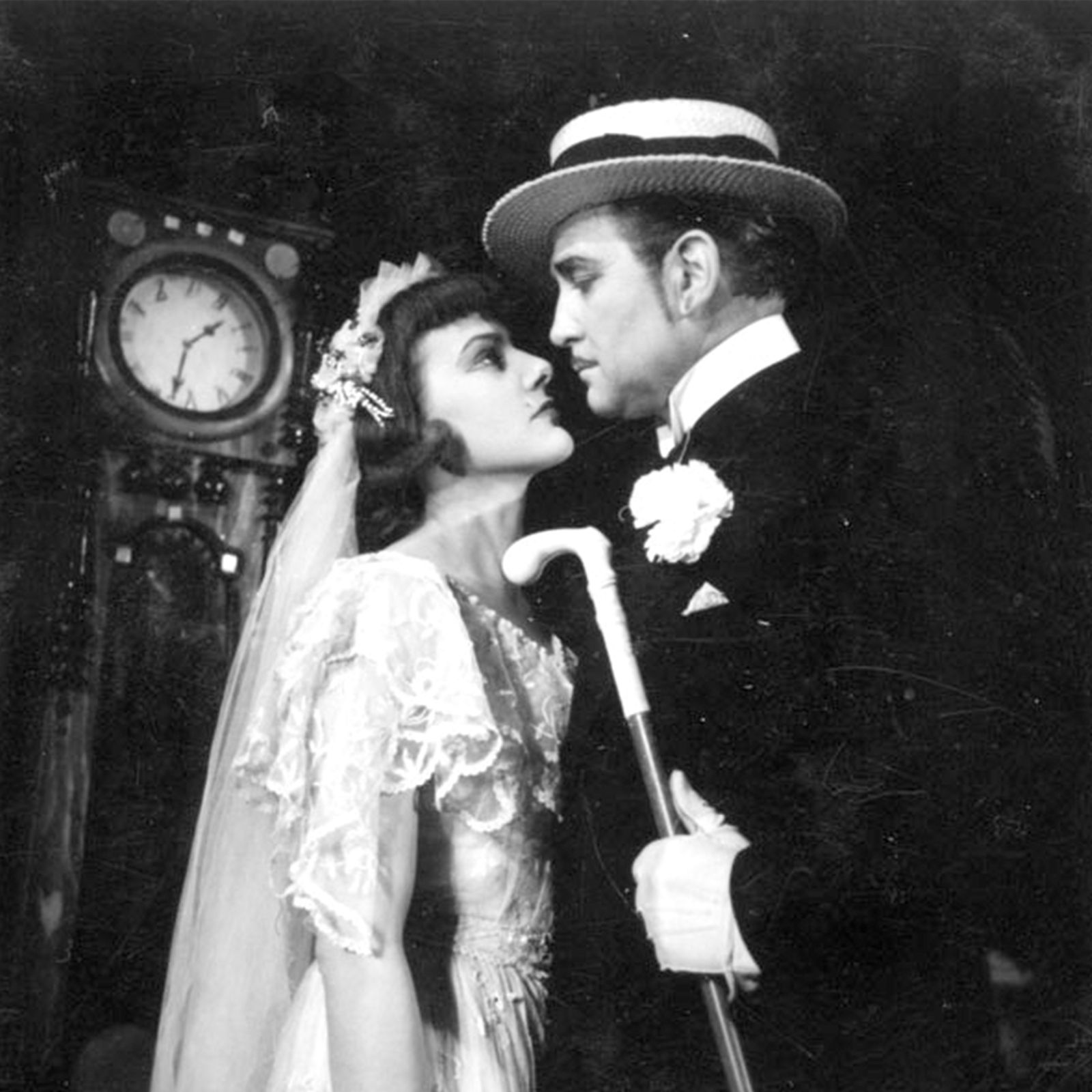
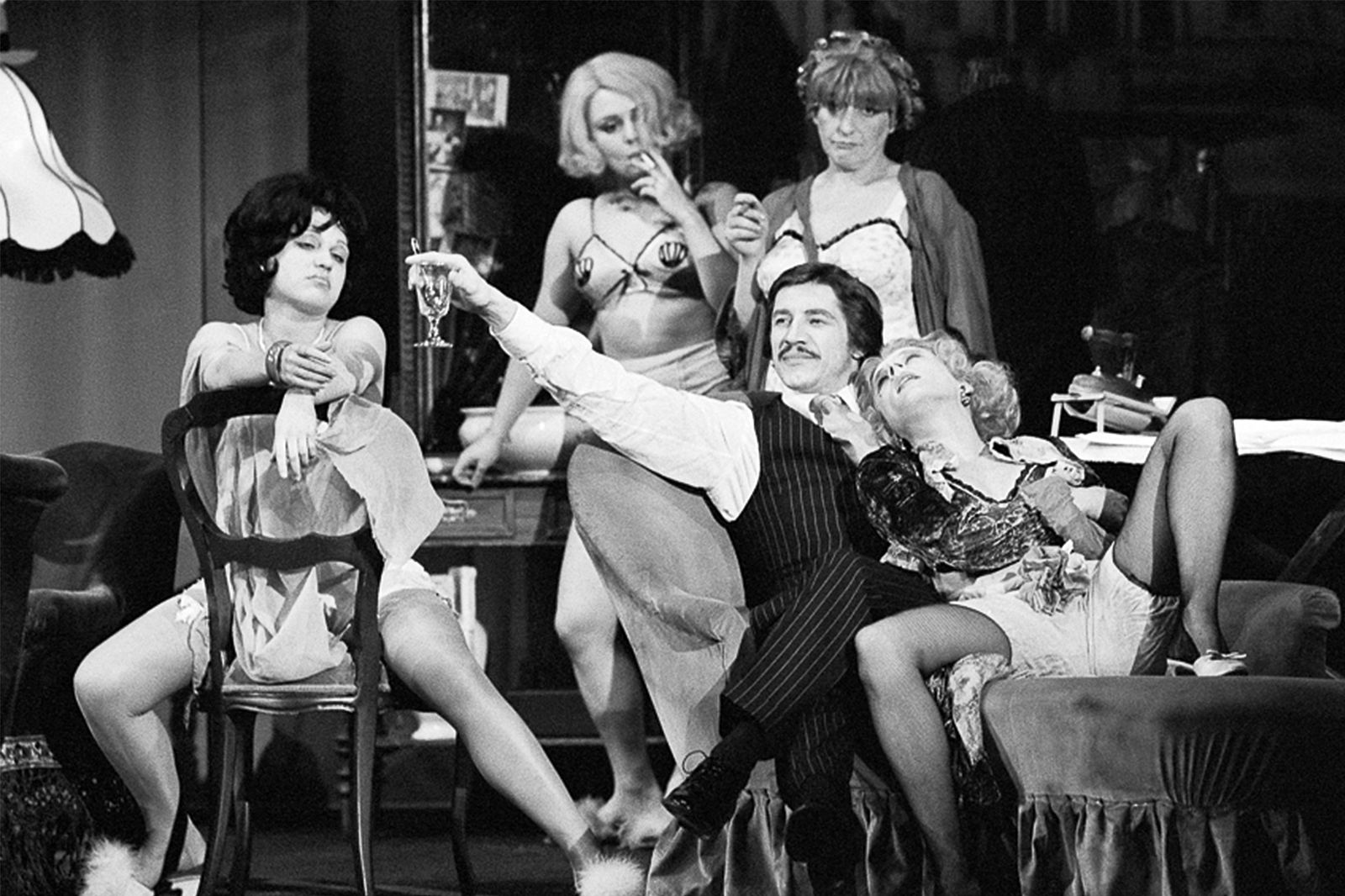
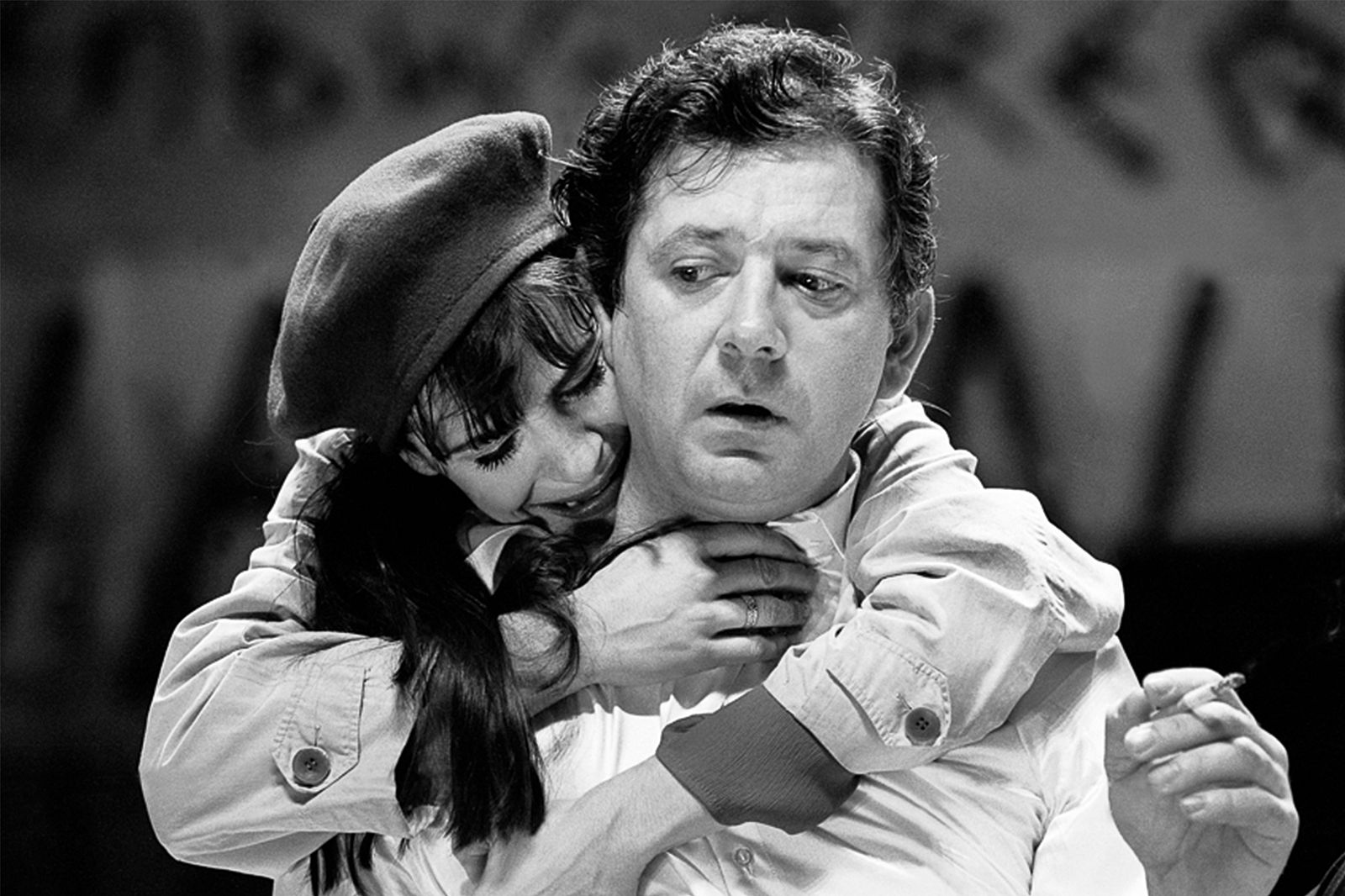
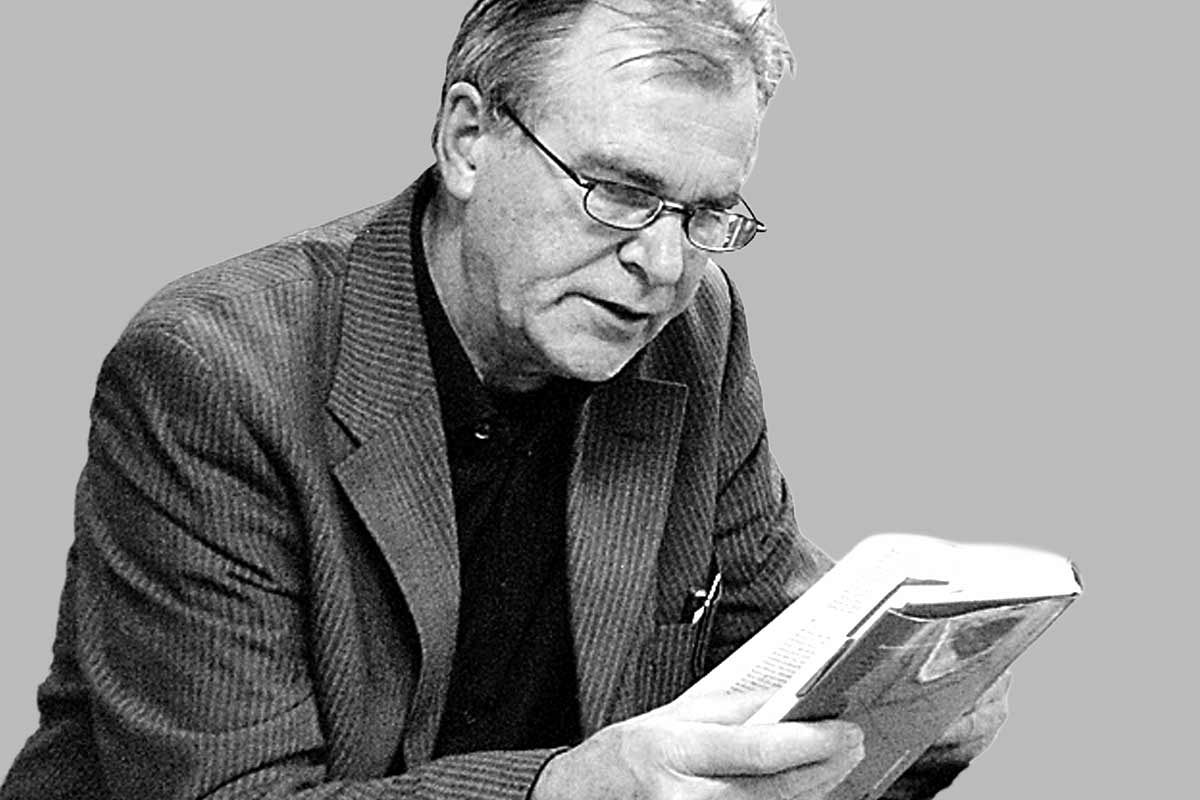
In the history of every German-language theatre, the 1933/34 season holds a unique place. With hindsight, we are all too aware of the devastating consequences of those years, prompting us to ask how the political upheaval was reflected in theatre programmes at the time. For theatres outside the German Reich in particular, a pressing question arose: how could they respond artistically to fascism taking hold just across the border?
The Schauspielhaus Zürich offers a striking example. Let us take a closer look at the productions staged there during that season.
THE 1933/34 SEASON AT SCHAUSPIELHAUS ZÜRICH
During the 1933/34 season, Schauspielhaus Zürich presented its audiences with a diverse spectrum of modern political thought. The programme brought together left-wing, liberal and bourgeois perspectives, creating, through their very juxtaposition, an exceptionally powerful antifascist and political statement.
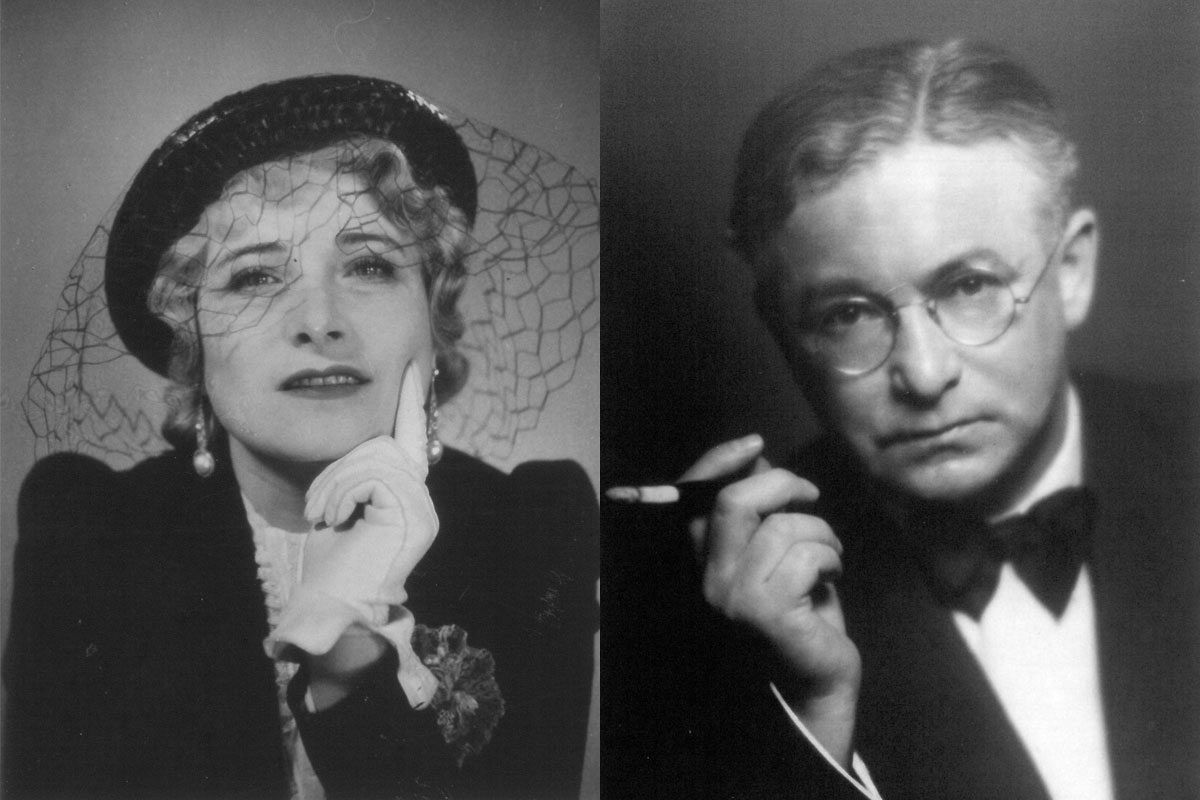
The programme was shaped in part by theatre practitioners who had been forced to leave Germany and who found in Zurich the freedom to bring their sometimes very different artistic and political positions to the stage. Under the leadership of Zurich director Ferdinand Rieser, theatre artists including Kurt Hirschfeld, Leopold Lindtberg, Teo Otto and Gustav Hartung found refuge at Schauspielhaus Zürich after fleeing Nazi persecution because of their Jewish background and/or political convictions.
Together, they assembled a remarkably varied programme in Zurich: socially critical theatre by Ferdinand Bruckner, plays by Franz Werfel, a fashion show featuring plenty of fur, a “Theatre Ship”, a lecture by Thomas Mann, Kleist’s The Broken Jug, Molière, no fewer than four works by Shakespeare, a guest performance from England, spoken drama by Ibsen, and cabaret-style musical theatre by the composer Friedrich Holländer.
Under Rieser, artistic freedom and pluralism were paramount. And this was by no means limited to classical drama: all forms of performing arts threatened by fascism were welcome in Zurich – whether “high” or “low” culture, entertaining or serious.
FASCISM IN FOCUS
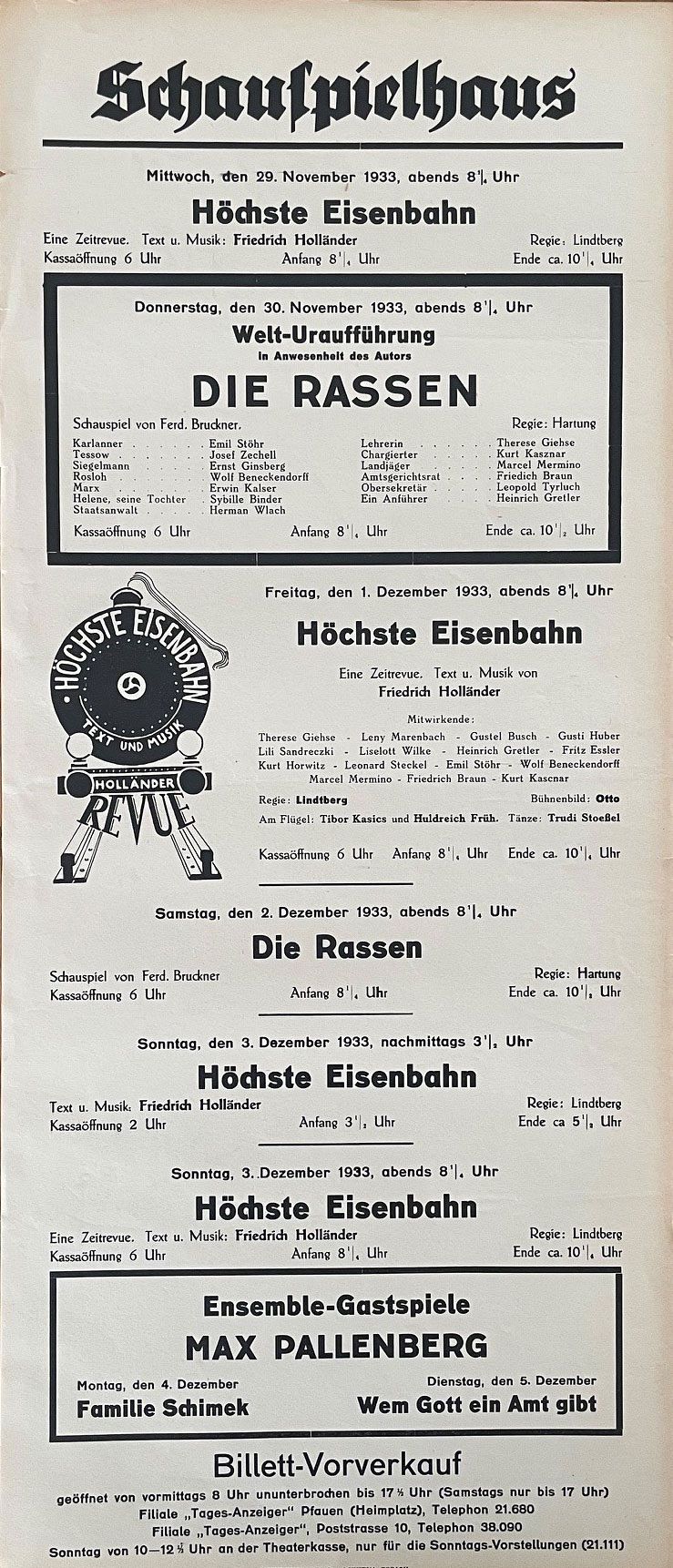
Yet this diverse programme was political not only as a whole, but also in many of its details. In 1932, Friedrich Holländer’s Höchste Eisenbahn – a topical revue with text and music – was still being performed in Berlin. The work offered a satirical assessment of the chaotic conditions at the end of the Weimar Republic. Using the metaphor of a speeding train, Holländer portrayed a society hurtling towards the abyss of National Socialist dictatorship. In 1933, both the work and its author were forced to flee: while Holländer emigrated to the United States via Paris, Höchste Eisenbahn made its way to Switzerland. At Schauspielhaus Zürich, the piece could once again be staged, directed by fellow émigré Leopold Lindtberg. Reality had, of course, rapidly overtaken fiction – Hitler was Reich Chancellor, the press had been brought into line, the opposition silenced, and the German Reich had withdrawn from the League of Nations – yet the message of this production could hardly have been more timely: We will not submit to your censorship!
The true beacon of the Rieser era – and indeed of the entire German-language theatre world that remained free that year – was, however, a world premiere. On 30 November 1933, Gustav Hartung staged Die Rassen (The Races) by Austrian playwright Ferdinand Bruckner. The play depicts how a young student elite is swept up by Nazi ideology, racism and antisemitism, opportunistically falls into line, and ultimately takes an active part in the boycotts and persecution of Jews. Both the director and many members of the ensemble – among them Therese Giehse – had fled Germany. With Die Rassen, the Pfauen stage thus presented not only a fierce critique of National Socialism, but also those who had themselves been persecuted by the regime.
Throughout the 1933/34 season, Schauspielhaus Zürich repeatedly took a stand against the Nazi regime with courageous productions. In particular, Nazi antisemitism and anti-liberalism were challenged from a wide range of perspectives: whether through classics such as Julius Caesar or Richard III, which exposed the mechanisms of demagoguery and totalitarianism, or through modern drama such as Ibsen’s A Doll’s House, which countered the National Socialist ideal of women as mothers with a liberal vision of womanhood.
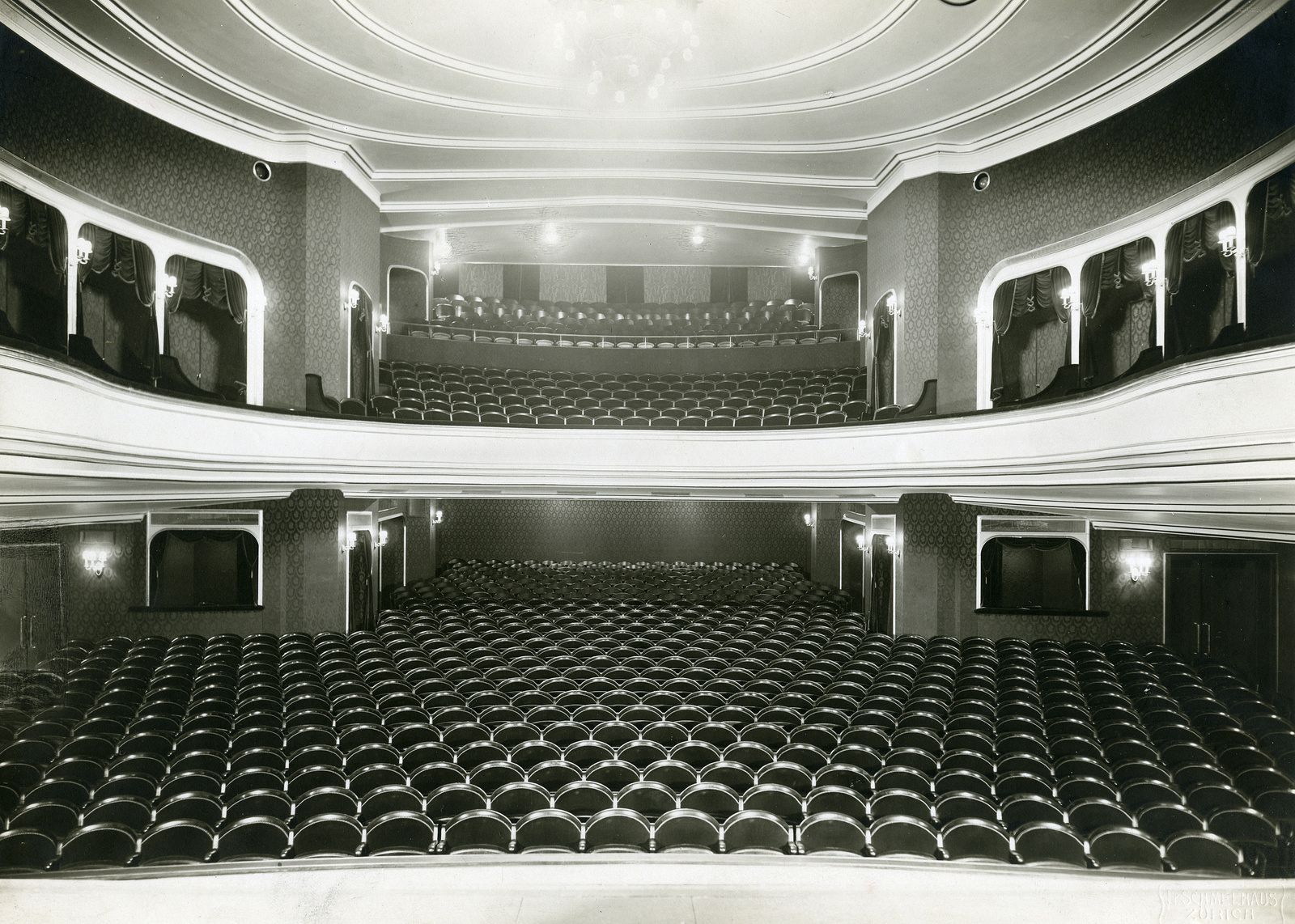
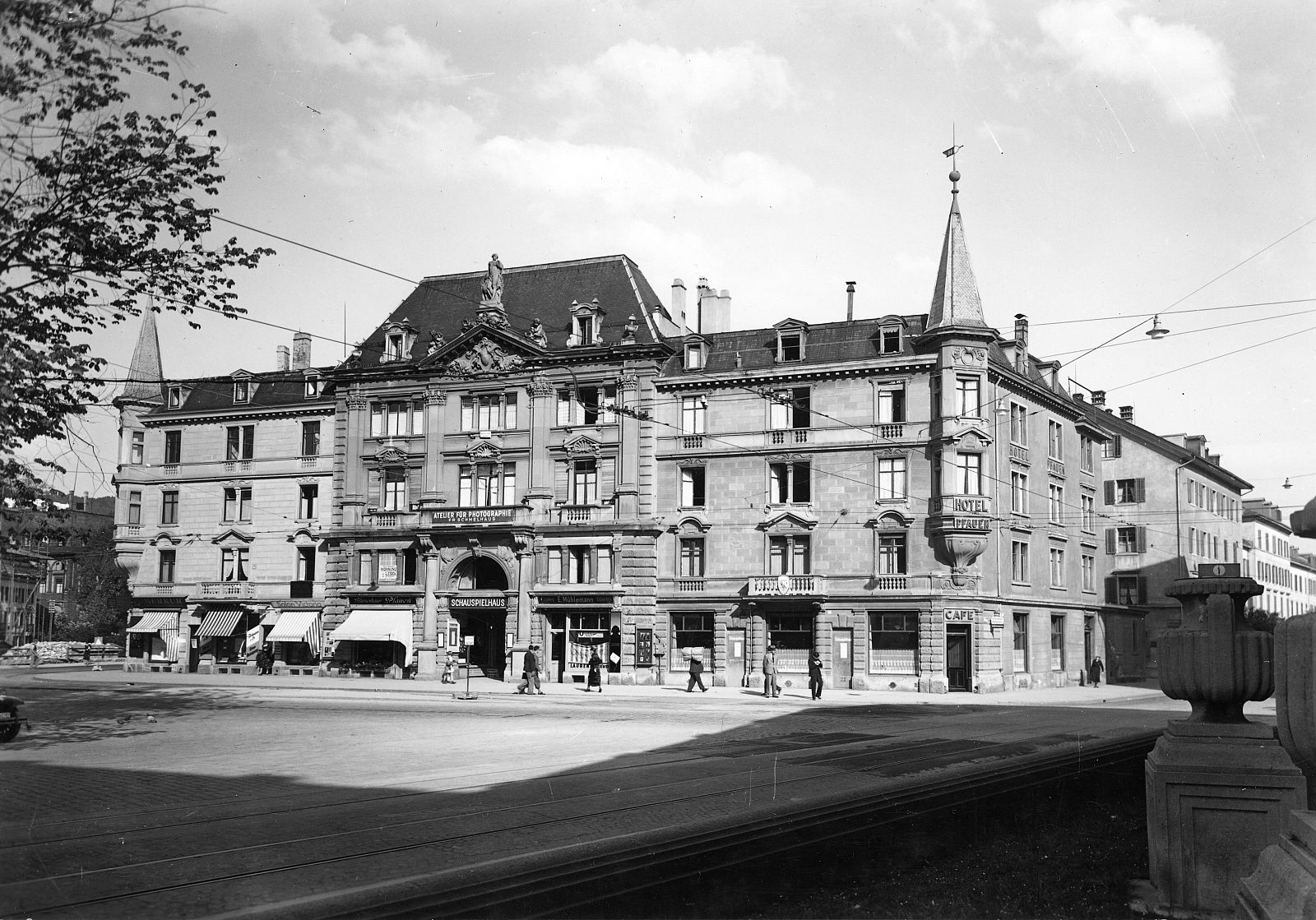
During this dramatic season, the Pfauen theatre thus became far more than a stage: it was a place of intellectual resistance, a refuge for those facing persecution, and a powerful symbol of artistic freedom.